
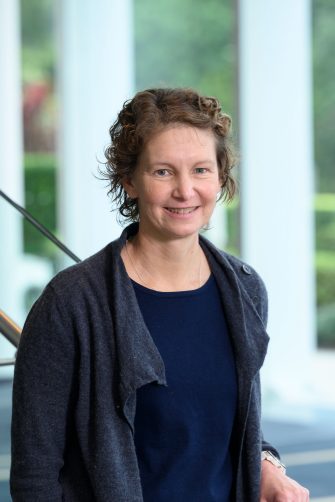
Professor Lois Holloway
Presentation Title TBA
Professor Lois Holloway leads the medical physics research group at the Ingham Institute and Liverpool and Macarthur Cancer Therapy Centres in Sydney. She also holds academic appointments at the University of Sydney and the University of Wollongong. Her research focuses on using clinical and imaging data to improve decision making and patient outcomes in radiation oncology.
Lois leads the Australian Cancer Data Network (ACDN), a federated data network that enables researchers to learn from clinical data held across different institutions while allowing data to remain locally controlled. Her research is particularly interested in situations where clinical trial evidence is limited or does not adequately represent particular patient groups.
She also has a strong interest in imaging and MRI-guided radiotherapy, including the Australian MRI-linac programme. Her work brings together medical physics, data science and clinical research to improve how evidence is generated and used to personalise cancer care.
Professor Chris Battershill
Presentation Title TBA
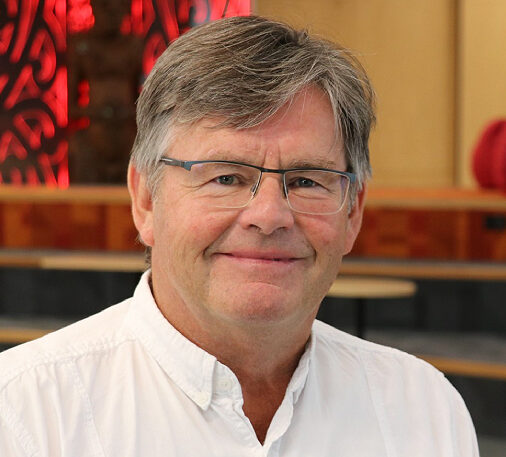
Professor Chris Battershill is Chair in Coastal Science at the University of Waikato and leads the Coastal Marine Field Station in Tauranga. His research spans marine ecology, environmental science and marine biodiscovery, with a particular interest in understanding marine biodiversity and its potential to contribute to human health.
Chris has worked extensively on marine environmental monitoring and recovery, including leading the scientific response following the 2011 Rena grounding in the Bay of Plenty. His research has also contributed to the discovery of biologically active compounds from marine organisms, including compounds that have subsequently contributed to pharmaceutical development.
Based in Tauranga for more than a decade, Chris is closely involved in developing the region as a centre for marine research, education and innovation. His work brings together science, environmental stewardship, human health and the unique marine environment of the Bay of Plenty.
Professor Battershill will deliver the John Strong Memorial Lecture at NZPEM 2027.
Dr Stephen Withington
Presentation Title TBA
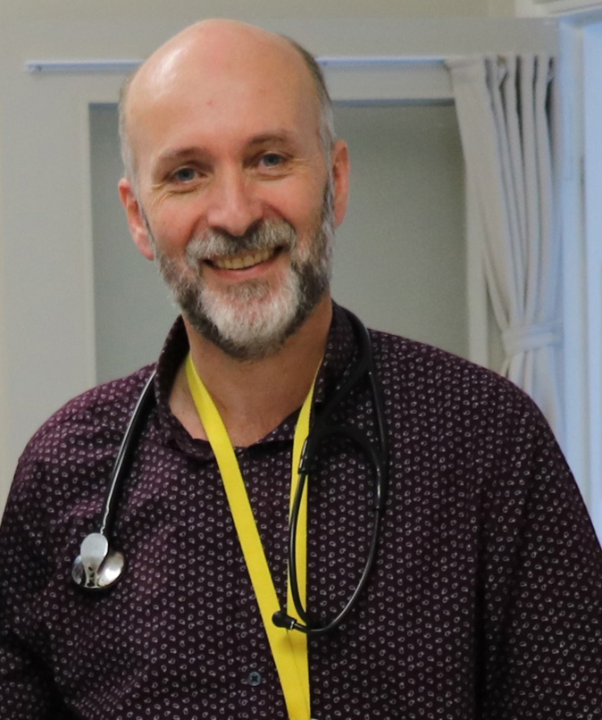
Dr Stephen Withington is a Senior Professional Practice Fellow at the University of Otago’s Centre for Rural Health and a rural hospital specialist and consultant physician at Ashburton Hospital. His work focuses on rural health and improving understanding of the differences in healthcare access and outcomes between rural and urban communities.
Stephen is the lead author of recent research examining rural-urban differences in the receipt of radiation oncology services for breast, prostate and lung cancer in Aotearoa-New Zealand. The study investigated differences by rurality, age and ethnicity, highlighting the complex factors that influence access to radiotherapy for rural New Zealanders.
His work provides an important perspective on what equitable access to cancer treatment means in the New Zealand context, and how geography, population characteristics and healthcare systems can influence the care patients receive.
Dr Ben Zwan
Presentation Title TBA
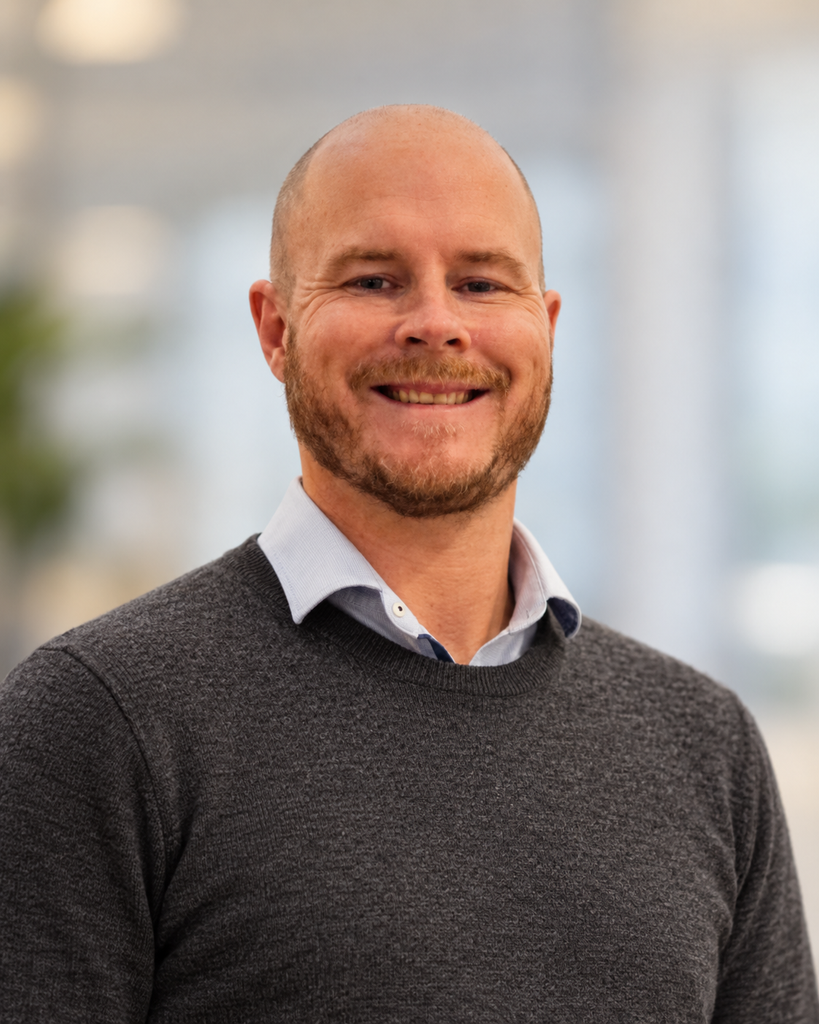
Dr Ben Zwan is the Lead Medical Physics Researcher and a Senior Radiation Oncology Medical Physics Specialist at the Central Coast Cancer Centre in Gosford, Australia, and a Senior Lecturer at the University of Newcastle and University of Sydney. His research focuses on real-time image guidance, motion management, stereotactic radiotherapy, quality assurance and advanced dose reconstruction. He has authored more than 30 peer-reviewed publications and leads a portfolio of research projects, clinical trials, and postgraduate research supervision.
Ben leads research into artificial intelligence–guided, markerless tumour tracking during radiotherapy in close collaboration with the University of Sydney’s ImageX Institute, with a strong focus on translating these technologies into clinical practice. He also has extensive expertise in EPID-based imaging and dosimetry, including real-time breast monitoring, stereotactic radiosurgery dose verification and 4D dose reconstruction for moving tumours.
Ben is also passionate about improving the translation and accessibility of advanced radiotherapy technologies, particularly for regional and rural cancer patients. He is Principal Investigator of the multi-centre DAY-TRIPPER trial investigating rapid access single fraction stereotactic radiotherapy in regional and rural areas. His work demonstrates how advanced radiotherapy technologies can be developed and implemented outside major metropolitan centres, with the potential to improve access to increasingly sophisticated cancer treatments.